Senior Living Made Easier: Trick Benefits of Moving into an Assisted Living Home
Business Name: BeeHive Homes of Raton
Address: 1465 Turnesa St, Raton, NM 87740
Phone: (575) 271-2341
BeeHive Homes of Raton
BeeHive Homes of Raton is a warm and welcoming Assisted Living home in northern New Mexico, where each resident is known, valued, and cared for like family. Every private room includes a 3/4 bathroom, and our home-style setting offers comfort, dignity, and familiarity. Caregivers are on-site 24/7, offering gentle support with daily routines—from medication reminders to a helping hand at mealtime. Meals are prepared fresh right in our kitchen, and the smells often bring back fond memories. If you're looking for a place that feels like home—but with the support your loved one needs—BeeHive Raton is here with open arms.
1465 Turnesa St, Raton, NM 87740
Business Hours
Moving into assisted living is rarely a choice people make lightly. For many older adults and their families, it comes after a stretch of small battles that start to pile up, a missed out on meal here, a near-fall there, a medication routine that becomes more difficult to manage than it made use assisted living raton nm of to be. By the time households start searching for senior care near me or assisted living near me, the concern is frequently no longer whether adjustment is needed, however what kind of assistance will in fact make life less complicated without taking away self-respect or independence.
That equilibrium matters. The most effective assisted living neighborhoods are not around taking over a person's life. They have to do with getting rid of the friction that makes daily living exhausting. They aid with the parts of the day that have come to be difficult, while still leaving room for individuality, regular, and selection. For lots of elders, that combination is what transforms senior living from a difficult concept into a genuinely better method to live.
When home stops feeling simple
Most individuals picture "home" as the most safe, most comfy location to be, and for a long period of time that is true. Yet homes change with individuals in them. A two-story residence that once felt enchanting can begin to seem like a collection of obstacles. Stairways become tiring. The bathroom feels a little as well far at night. A loosened rug that never ever mattered prior to all of a sudden looks like a hazard.
I have actually seen households invest years attempting to maintain a person at home with patchwork help, only to recognize that the initiative itself has come to be unsustainable. Adult children begin rotating duties, checking pillboxes, driving to consultations, and calling every evening. The plan can help a while, yet it frequently leaves everybody stretched. The older grownup might feel guilty for requiring a lot support, and the family members might feel helpless when weekly brings a new concern.
Assisted living modifications that dynamic by offering structure to life. As opposed to scrambling to solve every concern as it shows up, family members can rely upon a setup developed around supervision, help, and constant routines. That alone usually lowers a lot of stress.
Support that protects independence
A typical mistaken belief is that assisted living indicates surrendering independence. In truth, the opposite is typically true. Lots of residents reclaim a stronger sense of freedom due to the fact that they no longer have to pour power into tasks that have become difficult, such as handling medicines, preparing meals, or staying up to date with housekeeping.
Good assisted living areas are designed to aid only where aid is required. A resident may select help with showering or wearing the early morning, then invest the remainder of the day as separately as possible. Another person may need reminders for medications however still take pleasure in going to activities, sitting outdoors, or going to with pals by themselves schedule.
That flexibility is one of the most significant staminas of assisted living. It appreciates the reality that aging does not occur in one cool pattern. One resident may walk confidently but fight with memory. Another might require physical help however remain sharp and social. Knowledgeable senior care adapts to those differences rather than forcing everyone into the same mold.
A safer atmosphere without the feeling of a hospital
Safety is one of the most functional reasons households explore assisted living. Loss continue to be a major problem for older adults, and home setups have plenty of small risks that are easy to forget up until something goes wrong. Wet washroom floorings, poor lights, irregular limits, messy corridors, and neglected medicines can produce genuine danger.
Assisted living homes are constructed with those threats in mind. Hallways are simpler to navigate. Washrooms are often outfitted for mobility assistance. Team member are available to notice adjustments in behavior, cravings, or walking patterns that family members might miss throughout periodic visits. If someone seems unsteady one week or abnormally perplexed the next, that info can be shared quickly and addressed before it comes to be an emergency.
At the very same time, an excellent area needs to not feel scientific. The most effective environments are warm, familiar, and residential in personality. Citizens intend to feel comfortable, not monitored in a sterile setting. This is where experience and judgment matter. Safety functions best when it mixes into life instead of dominating it.
Meals, regimens, and the relief of being cared for
Food is among the most ignored benefits of assisted living. Food preparation for one or two people can be draining pipes, specifically when power is low or cravings has transformed. Grocery purchasing, dish prep, cleaning, and determining what to consume every day can become a duty that slowly wears down nutrition.
In assisted living, dishes are commonly a significant lift for locals and families alike. Breakfast, lunch, and dinner are not almost nutrition, they are supports in the day. Residents do not have to question whether there is enough food in the refrigerator or whether it is safe to utilize the stove. They can take a seat, consume, and delight in discussion rather than standing alone in a cooking area sensation tired.
There is additionally something deeply calming concerning constant routines. A foreseeable rhythm can lower stress and anxiety, particularly for older adults who are handling memory loss, despair, or a reducing social circle. Knowing that coffee is offered at a certain time, activities happen in the mid-day, and help is readily available throughout the day can make life really feel more convenient. For many senior citizens, that structure deserves as long as the physical support itself.
Social link that feels natural
Loneliness is among the quietest problems older adults deal with. It does not constantly turn up in apparent ways. In some cases it looks like skipping meals, resting excessive, disliking hobbies, or taking out from phone calls. An individual can appear "great" outside while slowly investing a growing number of of the day alone.
Assisted living develops opportunities for link without forcing it. Residents can sign up with a team if they want business, or remain exclusive when they need silent. In time, small relationships tend to develop around routine regimens. The lady that sits by the window each early morning. The male who constantly joins the card video game after lunch. The neighbor that suches as a short walk prior to dinner. Those repeated communications matter greater than people typically realize.

This social layer can be one of one of the most recovery parts of senior living. Discussion offers shape to the day. Shared meals develop belonging. Even a quick chat in the hallway can raise a person who has spent too much time alone in your home. It is not concerning continuous activity. It has to do with having individuals nearby who acknowledge you.
Relief for family members who have actually been carrying too much
When a parent begins to need even more aid, households commonly step in promptly and do what they can. That is caring, but it can additionally become literally and psychologically tiring. Adult children may be managing tasks, children, and their very own wellness while also handling medications, transport, and check-ins. Spouses might attempt to do whatever themselves, even as their own stamina declines.
This is where assisted living can feel like a transforming factor. Households usually explain the relief of recognizing somebody exists everyday, not simply when they are offered. They no more need to stress fairly as much about missed out on meals, unattended medical demands, or whether their loved one is risk-free overnight.
That relief does not imply the household steps away. Typically it indicates the connection comes to be more like it made use of to be. Instead of every visit focusing on duties and troubleshooting, households can hang around speaking, sharing stories, and appreciating each other's company once more. That shift can be emotionally effective. It restores a few of the parent-child dynamic that long-lasting caregiving can silently erode.
Medication assistance, oversight, and very early noticing
Medication administration is among those tasks that looks straightforward until it is not. An individual might have several prescriptions, various application routines, refills to track, and directions that alter after a doctor visit. It is very easy for even an extremely qualified older adult to make a mistake, especially if vision, memory, or dexterity is changing.
Assisted living can aid with that everyday intricacy. Staff can give pointers and, depending on the area and care strategy, hands-on support with drug schedules. This minimizes the threat of missed doses, accidental dual application, and the confusion that comes when a number of prescriptions are involved.
Just as important, personnel typically discover gradual adjustments that member of the family do not see today. A resident that suddenly stops going to dishes, appears a lot more forgetful than typical, or sleeps much more than regular might be signifying a health issue. Early discovering does not fix every problem, however it can cause quicker conversations with doctor and much better results overall.
Personalized aid, not one-size-fits-all care
One of the very best indicators that an assisted living community is worth taking into consideration is whether it deals with care as individual rather than generic. Needs differ extensively. Some homeowners might just need assistance in the mornings. Others require even more regular assistance throughout the day. Some are still highly social and active. Others are quieter, slower, and need even more encouragement.
Strong senior care is receptive. It should adjust to the individual, not the other way around. That may indicate helping with pet grooming, supplying wheelchair support, or supplying memory-friendly hints. It may also mean just discovering that a person likes to eat later in the morning, or that they become overwhelmed in loud group setups and do far better in smaller gatherings.

This kind of focus might appear small, yet it is typically what makes assisted living really feel humane. People do not want to be handled like tasks. They intend to be understood. Areas that make space for choices and routines tend to feel even more considerate and extra livable.
When respite care enters into the decision
Sometimes the move right into assisted living is long-term, and in some cases it begins via respite care. A brief stay can happen when a household caregiver requires time to recover, take a trip, or take care of an emergency situation. It can likewise be a useful means to test whether an area seems like the best fit.
Respite care often offers everybody a clearer image of every day life. The older grown-up gets to experience the dishes, regimens, personnel support, and social atmosphere firsthand. Relative can see exactly how inquiries are responded to, exactly how rapidly help is readily available, and whether the setting seems tranquil and well-run. A few days or weeks in an actual setting can reveal greater than months of internet research.
For some family members, respite care ends up being a bridge into longer-term senior living. What begins as a momentary remain turns into something extra stable since the resident understands they really feel more secure, much less lonely, and less used down than they did at home.
The psychological side of relocating, and why it is usually more difficult than the logistics
The useful concerns are usually the most convenient to discuss. Can the home be provided? Is transportation available? What are the costs? Exactly how is laundry taken care of? But the psychological inquiries are commonly the ones that form the decision.
Many older grownups fret that moving means they are admitting loss. Some fear becoming a worry. Others grieve your home where they raised youngsters, hosted holidays, or viewed life unfold for decades. Those feelings are genuine and deserve respect.
Families do much better when they acknowledge that this is not simply a real estate change. It is a life change. That indicates giving the person time to sort through belongings at a workable pace, bringing acquainted things, and maintaining routines that still issue. A favored chair, framed photos, an acquainted blanket, and even a coffee mug can relieve the change more than individuals expect.
The initial few weeks are often the hardest. New hallways, new names, brand-new schedules. Then something shifts. A resident learns where the excellent reading chair is. They bear in mind the name of the aide who giggles easily. They begin turning up for dinner because the food is respectable and the table conversation is far better than being alone. That is typically when the move begins to feel much less like a loss and even more like a relief.
What to try to find when contrasting communities
Choosing the ideal assisted living home takes more than reviewing a brochure. The details matter, therefore does the feeling you get when you walk in. A sleek internet site can hide a remarkably impersonal environment, while a small place may provide thoughtful care and a much warmer tone.
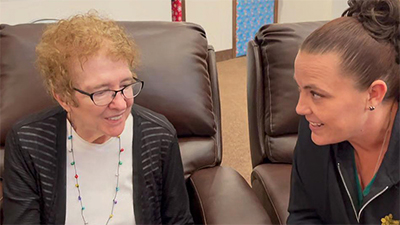
When households look for senior care near me or assisted living near me, they are usually contrasting more than area. They are trying to identify that will certainly treat their loved one with patience, that will address the phone, and that will notice small changes before they end up being larger issues. That judgment is often made in common moments, not flashy tours.
A couple of useful signs generally inform the story much better than advertising language. Personnel who greet homeowners by name. Usual locations that in fact really feel utilized, not organized. Dishes that appear fresh and appealing. Homeowners that show up involved instead of parked in front of a tv all the time. Clear interaction regarding care levels and pricing. If an area hesitates to respond to standard inquiries, that deserves focusing to.
The silent payoff: even more energy for the components of life that matter
The actual advantage of assisted living is not simply assist with bathing, meals, or medicines, though those points matter a large amount. It is the means those sustains liberate power for life itself. When older grownups stop spending a lot effort on survival jobs, they typically have much more area for things that make days feel meaningful.
That could look like reading again, participating in a workout class, sprinkling plants, signing up with a devotional service, or merely sitting with other people and delighting in the afternoon. It may indicate costs much less time worrying and even more time laughing. It could imply family visits that really feel lighter since no person is rushing to empty a trash bin or fix a neglected dinner.
Senior living functions best when it repays something individuals thought they had actually lost: convenience. Not deluxe, not overindulgence, simply ease. The ease of recognizing help neighbors. The ease of consuming a proper meal. The simplicity of getting up without a lengthy checklist of fears. For several older adults and their families, that is not a small point. It is the difference between getting through the day and really living it.
BeeHive Homes of Raton provides assisted living care
BeeHive Homes of Raton provides memory care services
BeeHive Homes of Raton provides respite care services
BeeHive Homes of Raton supports assistance with bathing and grooming
BeeHive Homes of Raton offers private bedrooms with private bathrooms
BeeHive Homes of Raton provides medication monitoring and documentation
BeeHive Homes of Raton serves dietitian-approved meals
BeeHive Homes of Raton provides housekeeping services
BeeHive Homes of Raton provides laundry services
BeeHive Homes of Raton offers community dining and social engagement activities
BeeHive Homes of Raton features life enrichment activities
BeeHive Homes of Raton supports personal care assistance during meals and daily routines
BeeHive Homes of Raton promotes frequent physical and mental exercise opportunities
BeeHive Homes of Raton provides a home-like residential environment
BeeHive Homes of Raton creates customized care plans as residents’ needs change
BeeHive Homes of Raton assesses individual resident care needs
BeeHive Homes of Raton accepts private pay and long-term care insurance
BeeHive Homes of Raton assists qualified veterans with Aid and Attendance benefits
BeeHive Homes of Raton encourages meaningful resident-to-staff relationships
BeeHive Homes of Raton delivers compassionate, attentive senior care focused on dignity and comfort
BeeHive Homes of Raton has a phone number of (575) 271-2341
BeeHive Homes of Raton has an address of 1465 Turnesa St, Raton, NM 87740
BeeHive Homes of Raton has a website https://beehivehomes.com/locations/raton/
BeeHive Homes of Raton has Google Maps listing https://maps.app.goo.gl/ygyCwWrNmfhQoKaz7
BeeHive Homes of Raton has Facebook page https://www.facebook.com/BeeHiveHomesRaton
BeeHive Homes of Raton won Top Assisted Living Homes 2025
BeeHive Homes of Raton earned Best Customer Service Award 2024
BeeHive Homes of Raton placed 1st for Senior Living Communities 2025
People Also Ask about BeeHive Homes of Raton
What is BeeHive Homes of Raton Living monthly room rate?
The rate depends on the level of care that is needed (see Pricing Guide above). We do a pre-admission evaluation for each resident to determine the level of care needed. The monthly rate is based on this evaluation. There are no hidden costs or fees
Can residents stay in BeeHive Homes until the end of their life?
Usually yes. There are exceptions, such as when there are safety issues with the resident, or they need 24 hour skilled nursing services
Do we have a nurse on staff?
No, but each BeeHive Home has a consulting Nurse available 24 – 7. if nursing services are needed, a doctor can order home health to come into the home
What are BeeHive Homes’ visiting hours?
Visiting hours are adjusted to accommodate the families and the resident’s needs… just not too early or too late
Do we have couple’s rooms available?
Yes, each home has rooms designed to accommodate couples. Please ask about the availability of these rooms
Where is BeeHive Homes of Raton located?
BeeHive Homes of Raton is conveniently located at 1465 Turnesa St, Raton, NM 87740. You can easily find directions on Google Maps or call at (575) 271-2341 Monday through Sunday 9:00am to 5:00pm
How can I contact BeeHive Homes of Raton?
You can contact BeeHive Homes of Raton by phone at: (575) 271-2341, visit their website at https://beehivehomes.com/locations/raton/, or connect on social media via Facebook
Residents may take a trip to Roundhouse Memorial Park . Roundhouse Memorial Park provides open green space where seniors receiving assisted living or memory care can relax outdoors during senior care and respite care visits.